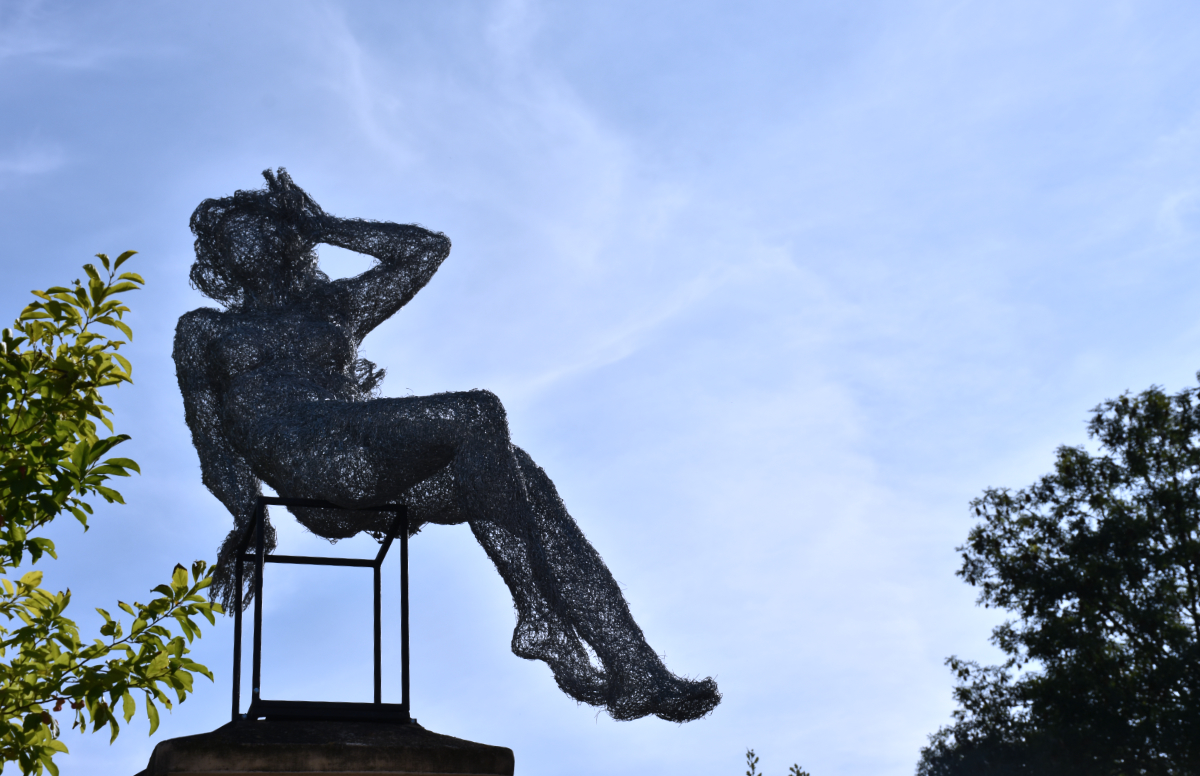
The fluorescent light—the long kind, with the frosted and textured plastic cover, like I used to see in classrooms—in my kitchen isn’t always working these days. I’ve lived here for nearly 11 years and have never had issues with it; I don’t even know what kind of light it is or where I would get replacements if it ever burnt out. It’s not burnt out, though. Sometimes it just needs some time, a couple of seconds to light up. Sometimes it just needs the ol’ computer treatment of turning it off and on again. Other times it takes longer, and I just turn it off and use the inferior alternate light or do whatever kitchening I intended to kitchen in the dark. It’s not like I’m cooking much these days anyway, for the same reason the light isn’t always working: it’s too hot.
In the summer of 2026, Winnipeg and the surrounding areas of what’s actually central Canada (even though some types of people in southern Ontario will tell you they’re central Canada simply because they think they’re the center of everything) have had multiple heatwaves worthy of note. There have been stretches of several days with highs in the high 30s (Celsius, the reasonable temperature scale) and humidex feels-like temperatures as high as 48. Lows at night are lucky if they reach 20. It’s because of this that I’ve needed to have my air conditioner on more than I ever had before, and why it needs to put in so much work that it’s draining power from the rest of my unit; hence, the kitchen light doesn’t have the resources to turn itself on.
We were getting a lot of rain and storms for a while, too, flooding our rivers up again just as the walkways alongside them seemed like they might become dry enough to travel down. We had wind severe enough for tornado warnings across the city and actual tornadoes on different sides of town at different points since the beginning of June. The air quality is nowhere near as bad here or for as long as it was in 2025, but July has seen some smoke blow in from the east as the forests in northern Ontario burn entire communities. (But it’s still worth the gas pipeline, right Doug and Danielle?)
Amidst all of this, I have to continue working in a job that doesn’t have enough meaning or purpose to elaborate upon here; and yet, I still have to continue working in it. I need to pretend this project is just as important as anything else in this economy, and be thankful that they let me work and make enough money to live. Encampments of unhoused people were cleared out as new rules were enforced making basically all of them illegal, but some have dared return since, because the problems causing it have not been solved. These people don’t have air conditioning to keep them cool. The HVAC systems in hospitals are failing, making it necessary to evacuate patients elsewhere. Similar failures in seniors housing will shorten some lifespans. (But data centres will grow our economies, I’m sure.)
Saying “it’s the heat” is an oversimplification. It is the heat, as far as everyday small talk is concerned (and some people are delusional enough to think this is a good thing), but the root of it is so much more. These temperatures for these spans with this effect on air quality and mortality rates are not inevitable forces of nature to deal with. It’s the oil industry, it’s the auto industry, it’s colonial governments thinking that the exploitation of natural resources is the purpose of our time on this earth. It’s capitalism, and we’re going to burn in service to that ideology because we’re trained to say “at least it’s better than the alternative” with no idea of what that alternative is.